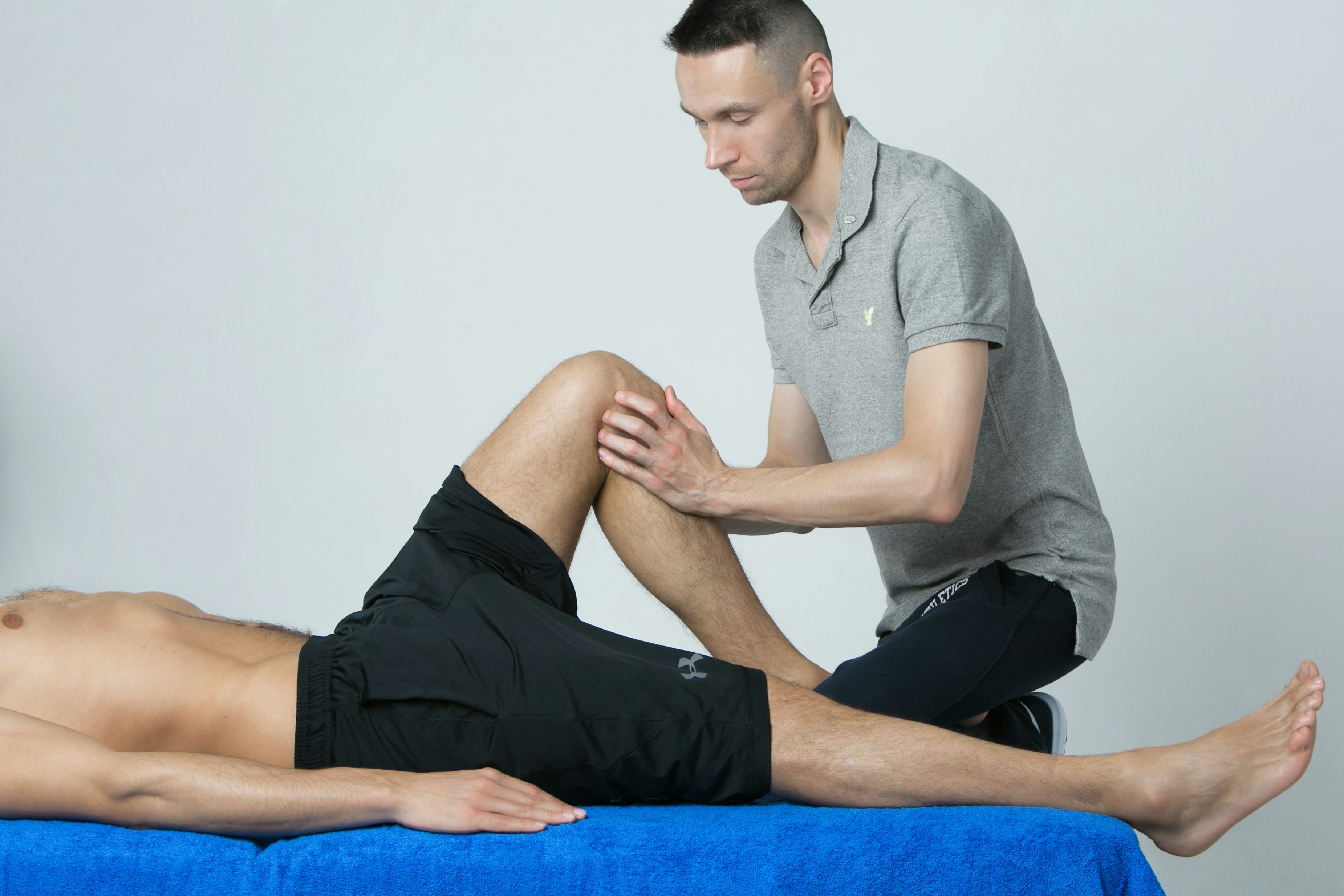
Pain is one of the most common reasons people stop exercising or delay seeking help. Some ignore it, hoping it will disappear, while others visit the wrong professional and spend weeks following an ineffective plan. The truth is that not every pain requires physiotherapy, and not every painful condition should be managed by a fitness coach alone. Knowing whom to consult can save time, money, and most importantly, prevent a minor issue from becoming a long-term problem.

Understanding the Difference
Although both fitness coaches and physiotherapists work to improve movement and physical health, their roles are different.
A fitness coach helps healthy individuals improve strength, endurance, mobility, body composition, and overall fitness. They design exercise programs, improve technique, and help clients achieve performance or wellness goals.
A physiotherapist, on the other hand, is a healthcare professional trained to assess, diagnose, and treat pain, injuries, movement disorders, and post-surgical conditions. Their goal is to restore function, reduce pain, and guide safe recovery before returning to normal activities or exercise.
Think of it this way:
Fitness Coach = Performance and Prevention
Physiotherapist = Pain, Injury, and Rehabilitation
When a Fitness Coach Is the Right Choice
A fitness coach can help if:
You are pain-free but want to improve your fitness.
You want to lose weight or build muscle safely.
You need guidance with exercise technique.
You want to improve posture through strengthening and movement training.
You are returning to exercise after receiving clearance from a healthcare professional.
You want to prevent injuries by improving movement quality.
A qualified coach can identify poor movement patterns, correct exercise form, and progressively build strength to reduce injury risk.

When You Should See a Physiotherapist
Consult a physiotherapist if you experience:
Pain lasting more than one week without improvement.
Swelling, bruising, or joint instability.
Pain after a sports injury or accident.
Difficulty walking or performing daily activities.
Numbness, tingling, or weakness.
Persistent neck or back pain.
Pain following surgery.
Recurrent injuries that keep returning despite exercise.
Ignoring these symptoms and continuing to train may worsen tissue damage and delay recovery.

Can You See Both?
Absolutely, and in many cases, this is the best approach.
Modern healthcare follows a collaborative model, where physiotherapists and fitness professionals work together.
For example:
A runner develops knee pain during marathon training. The physiotherapist identifies weakness in the hip muscles and reduced ankle mobility, provides pain management strategies, manual therapy if required, and prescribes rehabilitation exercises. Once symptoms improve, the fitness coach gradually rebuilds running volume, strength, and performance while monitoring technique.
This partnership ensures recovery is both safe and sustainable.
What Does Research Say?
Recent research strongly supports exercise as one of the most effective treatments for many musculoskeletal pain conditions, provided it is appropriately prescribed.
A 2024 systematic review and meta-analysis published in the Journal of Physiotherapy found that health coaching combined with physical activity produced small but meaningful improvements in pain, disability, and physical activity levels among adults with chronic pain. The researchers concluded that structured coaching can complement clinical care by helping people remain active and adhere to exercise programs.
Another 2024 study published in the journal Physiotherapy highlighted that physiotherapists play an essential role in identifying patients who are appropriate for exercise referral programmes. The study emphasized that collaboration between healthcare professionals and qualified exercise providers improves patient confidence, exercise adherence, and long-term health outcomes.
Furthermore, a 2024 review on exercise training for chronic pain reported that individualized exercise including strength training, aerobic exercise, and flexibility training reduces pain, improves physical function, and enhances quality of life. However, the review also stressed that exercise should be tailored to the individual's condition, especially during the early stages of injury rehabilitation.

The Bottom Line
Pain should never be ignored, but it also shouldn't automatically stop you from moving. The key is choosing the right professional at the right time.
If your goal is improving fitness, preventing injury, or maintaining an active lifestyle, a qualified fitness coach is an excellent partner. However, if pain is persistent, severe, associated with injury, or affecting daily life, consult a physiotherapist first.
Rather than asking, "Should I rest or exercise?", ask "Am I working with the right professional for my current stage of recovery?"
The best outcomes occur when physiotherapists and fitness coaches collaborate, ensuring that rehabilitation transitions smoothly into long-term health, resilience, and performance. Because effective pain management isn't about guessing it's about making informed decisions backed by science.
References
Barnet-Hepples T, et al. (2024). Health coaching improves physical activity, disability and pain in adults with chronic non-cancer pain: A systematic review. Journal of Physiotherapy, 70(2), 115–123. DOI: 10.1016/j.jphys.2024.01.001. (ScienceDirect)
Dunphy R, Blane DN. (2024). Understanding exercise referrals in primary care: A qualitative study of General Practitioners and Physiotherapists. Physiotherapy, 124, 1–8. DOI: 10.1016/j.physio.2024.04.348. (ScienceDirect)
Ninneman JV, et al. (2024). Exercise Training for Chronic Pain: Available Evidence, Current Recommendations, and Potential Mechanisms. Exercise and Sport Sciences Reviews/Current Reviews (Springer series). DOI: 10.1007/7854_2024_504. (PubMed)

Be the first to know about every new letter.
No spam, unsubscribe anytime.