
You might be feeling completely fine right now.No chest pain. No breathlessness. No family history flashing red flags.
That's exactly the problem. Sudden Cardiac Death doesn't wait for you to feel unwell. It shows up in people who run 5Ks, eat clean, and pass every annual checkup, then collapse without a single warning sign.
Here's what's actually going on inside hearts that "seemed fine."
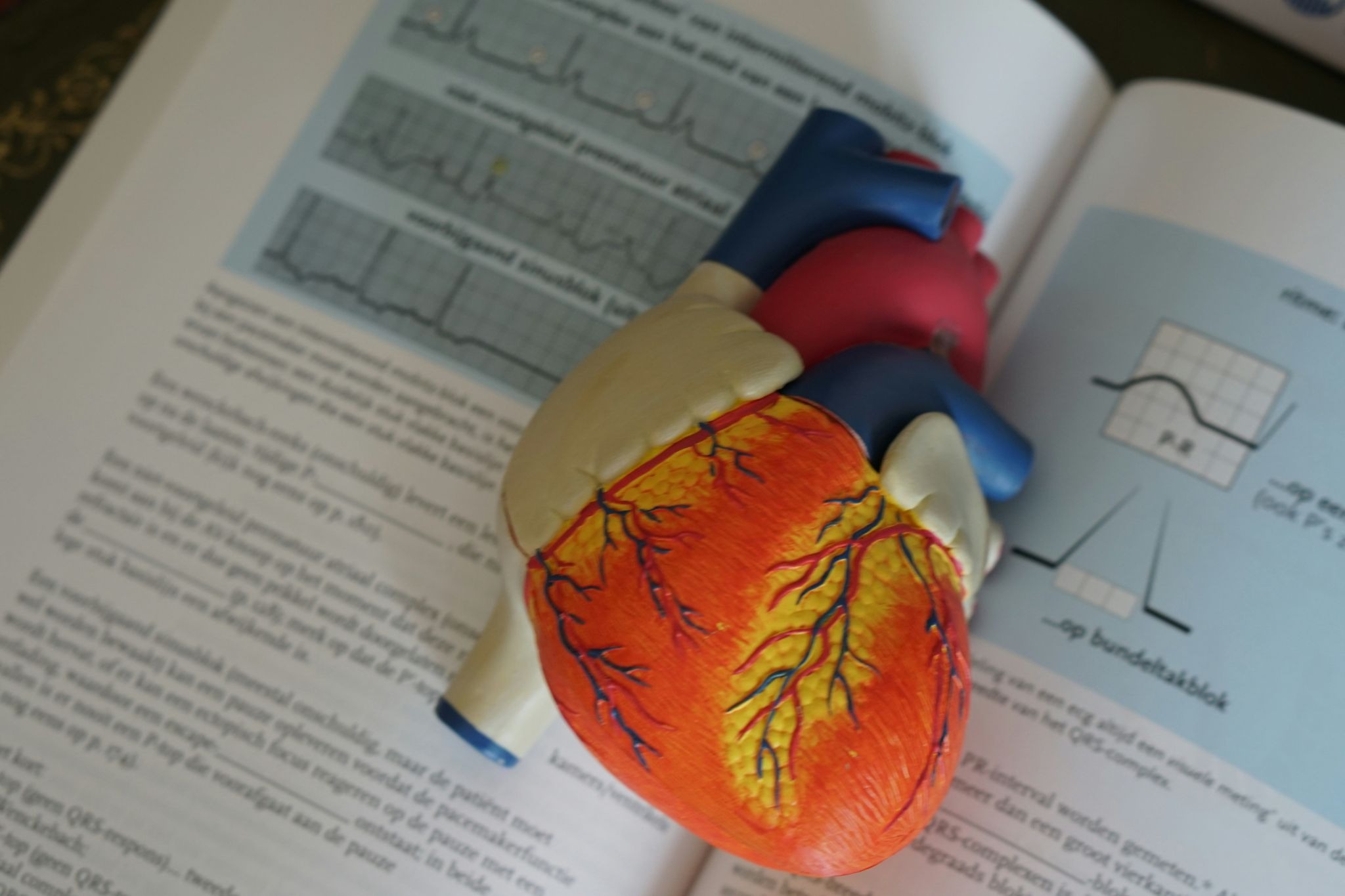
What Exactly Is Sudden Cardiac Death?
SCD isn't a heart attack. It's faster. Crueler.
It's your heart's electrical system short-circuiting, often within minutes with zero warning. Even in people who look perfectly healthy on the outside.
No chest pain. No history. No red flags. Just... gone.
The Numbers Are Telling Us Something
Between 1999 and 2020, over 10,500 sudden cardiac deaths were recorded in adults aged 25–44. And the trend line isn't flat it's climbing.
Zoom into the 15–34 age group and the picture gets sharper: SCD deaths rose 10% in recent decades, with young women seeing an especially steep rise.
Men still make up roughly 74% of young SCD cases. But the gap is closing. And that should worry all of us.
So Why Is This Happening to Young, "Healthy" People?
Here's where it gets uncomfortable. The causes aren't always visible, and that's exactly the problem.
1. Genetics you didn't know you had
Conditions like Hypertrophic Cardiomyopathy (a thickened heart muscle) or Arrhythmogenic Right Ventricular Cardiomyopathy (heart muscle quietly replaced by fatty tissue) can sit dormant for years. Until they don't.
2. Electrical faults with no symptoms
Long QT Syndrome and Brugada Syndrome mess with your heart's rhythm at a wiring level. No pain. No warning. Just risk, sitting there.
3. That "harmless" flu you shrugged off
Post-viral myocarditis is real. A minor infection can quietly inflame your heart muscle — and leave it fragile long after you feel "fine."
4. Lifestyle damage that starts way too early
Obesity. Diabetes. High blood pressure. These used to be "40-plus" problems. Now they're showing up in 20-somethings, damaging arteries years before any symptom appears.
5. Your third energy drink of the day
Caffeine overload overstimulates your heart's electrical system. If you already have a hidden vulnerability, that extra can could be the trigger.
6. Coronary abnormalities you were born with
Some defects in the heart's blood vessels have been there since birth, invisible until exertion pushes the heart past its limit.
The Part Everyone Skips: The Gut–Body–Mind Triangle
Here's the truth most cardiac conversations miss: your heart doesn't work alone. It's constantly listening to three other systems.
Gut Health: Poor gut health drives silent inflammation. That inflammation doesn't stay in your gut. It stresses your arteries and heart tissue too.
Mental Health: Chronic anxiety keeps your nervous system stuck in fight-or-flight. Your heart never gets to rest. Resilience burns out quietly, over years.
Physical Health: Movement, recovery, nutrition these aren't vanity metrics. They're the daily maintenance your cardiovascular system depends on. Skip them, and the erosion happens silently.
Neglect one corner of this triangle, and you're not just risking that system. You're stressing all three.
The Real Takeaway
Your heart isn't waiting for a warning sign. For too many young people, the first symptom is the last one.
This isn't about fear. It's about catching what's silent before it becomes permanent.
That's the whole philosophy behind Body–Gut–Mind at HB+. Because a healthy heart was never just about your heart.
Start listening to your body before it has to shout. → hbplus.fit

Be the first to know about every new letter.
No spam, unsubscribe anytime.