
When it comes to building strength, endurance, and overall performance, the conversation around gender has evolved but misconceptions still linger. Are men naturally stronger? Do women struggle to gain muscle? Should training programs differ for men and women? Thanks to advances in research, we now have clearer answers rooted in physiology, not outdated beliefs.
Here’s what the latest science reveals about gender differences in training and why understanding these differences is essential for us.

1. Strength and Muscle Growth: Equal Progress, Different Baselines
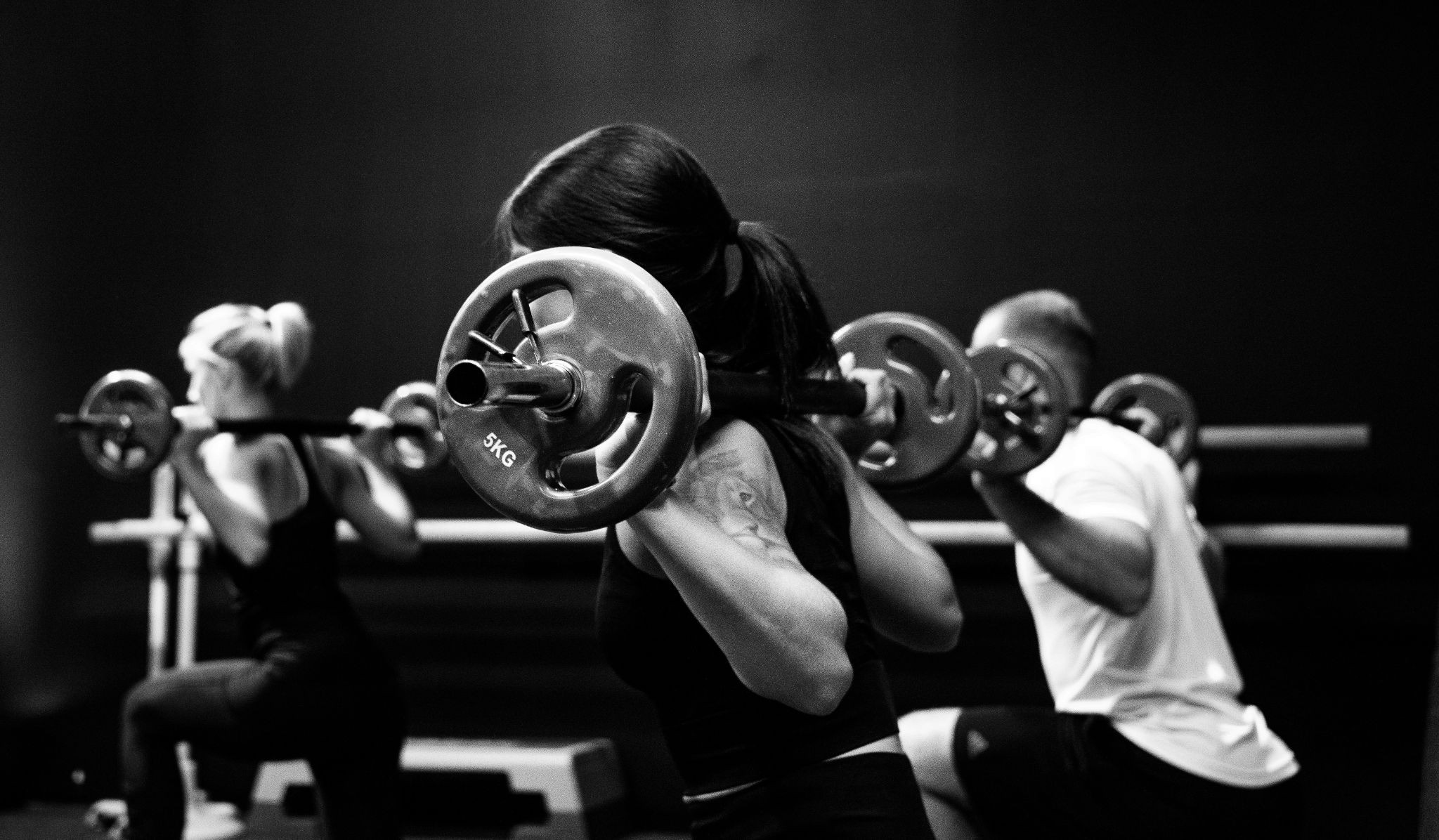
While men generally have more muscle mass and higher baseline strength due to higher testosterone levels, both men and women can achieve similar relative strength gains through resistance training.
Women often experience greater improvements in muscular endurance and can complete higher training volumes thanks to better fatigue resistance.
Men typically show higher absolute power and a faster ability to generate force, but this advantage is more pronounced in upper-body strength tasks.
Importantly, muscle hypertrophy (growth) occurs in both genders when training variables like intensity, volume, and recovery are properly applied. Hormones like estrogen and growth hormone also play a vital role in muscle repair and adaptation in women.
2. Metabolism and Energy Utilization
Gender also influences how the body uses energy:
Women tend to rely more on fat oxidation during submaximal workouts, which contributes to better endurance in steady-state conditions.
Men utilize glycogen more quickly, supporting short bursts of high-intensity effort and power.These metabolic differences suggest that training protocols should reflect the athlete’s individual energy system profile. For instance, women might benefit from longer-duration intervals, while men may respond better to shorter, more explosive bouts of effort.
3. Hormonal Factors and Recovery
One of the most significant gender-based influences on training is hormonal variation especially in women. The menstrual cycle affects performance, recovery, inflammation, and even injury risk.
During the follicular phase (days 1–14), strength and power training may feel easier, and performance often peaks.
The luteal phase (days 15–28) can bring increased fatigue, reduced coordination, and higher risk of soft-tissue injuries.
Recognizing these patterns doesn’t mean women need to train less: it means timing certain types of training may boost adaptation and reduce injury risk. Men, while hormonally more stable, still need to monitor signs of overtraining, as testosterone levels can drop with poor sleep, excessive stress, or overreaching.
4. Injury Risk and Biomechanics
Biomechanical and anatomical differences play a role in injury risk:
Women are significantly more prone to ACL injuries, partially due to hip structure, joint laxity, and neuromuscular control.
Men are more likely to develop tendinopathies in high-load sports due to greater muscle mass and eccentric loading patterns.
Preventive strategies, including neuromuscular training and individualized warm-ups, should be gender-informed but personalized to the athlete’s specific needs.
5. Psychological and Social Factors
Research shows gender also plays a role in how individuals approach training mentally:
Women tend to benefit from supportive coaching, detailed feedback, and collaborative environments.
Men often respond well to competitive settings and quantifiable goals.
Understanding these preferences can improve motivation, adherence, and long-term outcomes for both athletes and general fitness clients.
6. What This Means for Training Design
Given all these factors, should men and women train differently? Yes and no.

The core principles of progressive overload, proper recovery, and specificity apply to everyone.
However, adjustments in programming such as recovery time, training volume, intensity, and periodization can help both sexes maximize results based on their physiological profiles.
For medical professionals and coaches, it’s not about building “male” or “female” programs. It’s about individualized, science-based training that considers gender as one of many important factors alongside age, health status, goals, and training background.
Final Takeaway: Gender-Informed, Individualized Training Is the Future
The real takeaway isn’t in highlighting differences but it’s in using them intelligently. Gender-based physiology provides valuable clues, but the best results come from understanding the athlete as a whole.
Whether you’re building strength, improving conditioning, or recovering from injury, success lies in tailored programming, not one-size-fits-all methods. By embracing what science tells us about gender, we move closer to training smarter, not just harder for everyone!

Be the first to know about every new letter.
No spam, unsubscribe anytime.