Most people Google "sciatica" the moment their back pain shoots down their leg. But here's what they get wrong and why it matters for your recovery.
Pain That Travels Isn't Always Sciatica
Radiating pain feels alarming. And when it moves from your back toward your lower body, "sciatica" is usually the first word that comes to mind or the first result Google shows you.But not every pain that travels downward is sciatica. And treating the wrong condition is where most people lose months of recovery.

For pain to radiate, a nerve usually needs to be involved. But which nerve and where it's getting compressed changes everything about how you treat it. Here's what the pain pattern might actually be telling you:
Front of the thigh? This could involve the femoral nerve, not the sciatic nerve, an entirely different structure requiring a different approach.
Outer side of the leg? IT band tightness or lateral cutaneous nerve entrapment may be the culprit.
Back of the leg? Yes, this could be the sciatic nerve, but even here, true sciatica is only one possibility.
Same symptom. Very different causes. Very different treatments.
Why Self-Diagnosing Sciatica Is a Gamble
YouTube has thousands of "sciatica exercises." Most of them are well-intentioned. Many of them could make your condition worse because they're built for a diagnosis you may not actually have. Everybody is different. The root cause of your radiating pain depends on your posture, movement history, occupation, and anatomy. A one-size-fits-all exercise routine ignores all of that.
The risk isn't just wasted effort. It's the wrong movement, applied to the wrong structure, at the wrong time.That's why the starting point of any real recovery isn't an exercise, it's an accurate diagnosis.
What a Proper Diagnosis Actually Involves
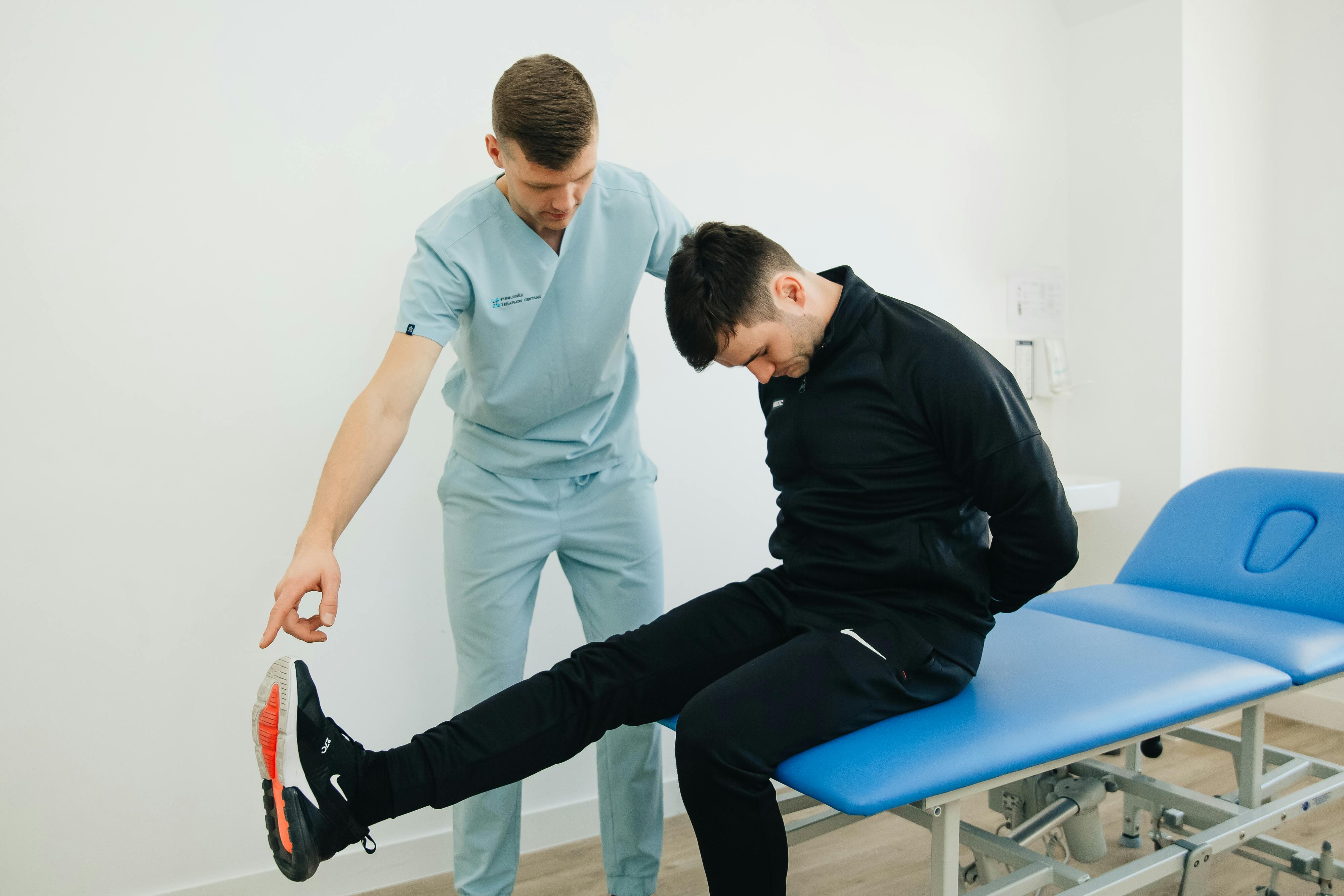
A qualified physiotherapist doesn't just ask where it hurts. A thorough clinical assessment includes:

Identifying the exact source and pathway of pain.Determining which nerve, muscle, or structure is involved.Understanding whether the condition is acute, chronic, or recurring
Movement analysis and special clinical tests to confirm findingsOnly after this can a truly personalised rehab plan be designed, one that addresses the root cause, not just the symptom. This plan also outlines specific do's and don'ts tailored to your body, and is monitored and adjusted as you progress.
Recovery without this foundation is guesswork.
What Recent Research Is Revealing About "Sciatica"
Here's something most patients and even some practitioners don't know yet, a significant number of cases labelled as sciatica are actually deep gluteal syndrome, a non-discogenic entrapment of the sciatic nerve within the gluteal space, often caused by fibrous bands or the piriformis muscle. This is broader than classical piriformis syndrome and is frequently missed.
Beyond that, emerging research has identified several conditions that can mimic sciatica without any spinal involvement at all:
Quadratus lumborum myofascial syndrome
Cluneal nerve entrapment
Osteitis condensans ilii
Pelvic and hip-related nerve mimics
These aren't rare edge cases. They're commonly misdiagnosed, which is exactly why a scoping review on sciatic-like pain emphasized the importance of looking beyond the spine before concluding it's true sciatica.
Your Recovery Starts Here Not on YouTube
If you've been dealing with back-to-leg pain and haven't gotten a clear diagnosis yet, that's the first step. Not an exercise video. Not a foam roller routine. Not this blog. At HB+, our coaches work closely with qualified physiotherapists to build personalised recovery and movement plans designed around what your body actually needs, not what works for the average internet user.
The right guidance doesn't just speed up recovery. It prevents the setbacks that come from doing the wrong thing with confidence.
Ready to understand what's actually causing your pain? Book a free consultation with the HB+ team.

Be the first to know about every new letter.
No spam, unsubscribe anytime.