
You eat reasonably well. You stay active. The scale says “normal.”
And yet, the 3 PM crash shows up every single day. The belly fat won’t shift. Sleep feels light. And your last blood report had a few values quietly drifting into the yellow zone.
So, is your metabolism the problem?
Not quite.
Most of us think of metabolism as a speed: how fast you burn calories. It’s much bigger than that. Metabolism is how your body turns food into energy, manages blood sugar, responds to insulin, handles fats, regulates blood pressure, and stores what it doesn’t use.

Metabolic health is how well all of this works together.
And it isn’t decided by weight alone. Someone in a larger body may have healthy markers. Someone in a smaller body can still have insulin resistance.
So what should you look out for?
1. Your waistline is slowly growing
Pillar: Body
The scale tells you how much you weigh. Your waist tells you where you carry it.
Fat around the abdomen, especially visceral fat around the organs, is closely linked to metabolic risk. This matters even more for South Asians, who can develop higher body fat and metabolic changes at lower BMIs than many Western populations.
So don’t track the scale alone. Ask yourself:
— Is my waist measurement creeping up?
— Am I carrying more fat around my middle?
— Has my body composition shifted, even though my weight hasn’t?
Belly fat does not automatically mean insulin resistance. But a steadily growing waistline is a good reason to look closer.
2. Energy crashes and intense cravings are a daily event
Pillar: Body + Gut
You know the scene. Lunch. A short burst of energy. Then sudden sleepiness, and a pull toward chai and biscuits or something sweet.
Once in a while, that’s normal. Every day? Look at the bigger picture.
How your plate is built changes how filling it feels and how your blood glucose responds. Meals with enough protein, fibre, vegetables and sensible portions of carbohydrates tend to keep you fuller than meals that are mostly refined carbs.
Sleep plays a part too. Randomised trials show that restricted sleep can lower insulin sensitivity and raise hunger and food intake.
So before you blame “no willpower,” ask:
— Did I sleep well?
— Did my last meal have enough protein, fibre and micronutrients?
— Am I eating at regular times?
— Have I had enough water?
Cravings are shaped by far more than willpower.
3. Your blood reports are showing early warning signs
Pillar: Body
Some of the biggest metabolic shifts happen quietly. High blood pressure, raised triglycerides, low HDL cholesterol and high fasting glucose often come with no symptoms at all. That’s why routine check-ups matter, even when you feel fine.
Metabolic syndrome is usually identified when several of these appear together: abdominal obesity, high triglycerides, low HDL, high blood pressure and high fasting glucose.
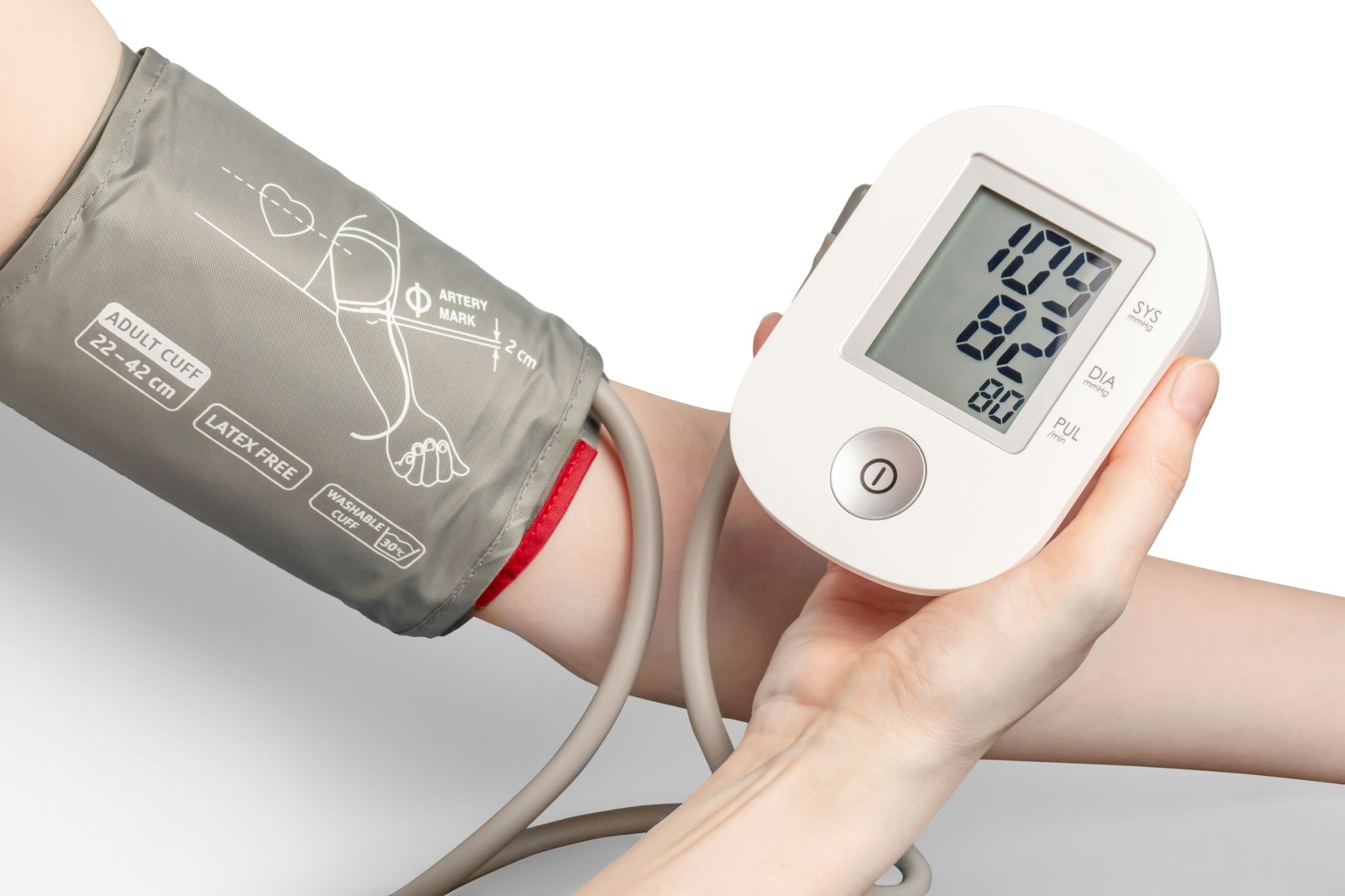
Your doctor may look at:
— Fasting blood glucose and fasting insulin
— HbA1c
— Triglycerides
— HDL cholesterol
— Blood pressure
— Waist circumference
One abnormal number doesn’t mean your metabolism is unhealthy. Results need context.
What matters is the trend, not waiting for a big red flag.
4. Weight loss feels harder than it used to
Pillar: Body + Mind
“I barely eat, and I’m still not losing weight.” If you’ve said this, you’re not alone.
But hard weight loss doesn’t automatically mean a “slow metabolism.”
As your weight changes, your energy needs change too. Appetite, activity, sleep, stress, food environment, medications and underlying health conditions all shape how your body regulates weight.
Instead of only eating less, look at the full picture:
— Am I getting enough protein and fibre?
— Do I strength train?
— Do I move through the day, not just in one workout?
— Am I sleeping enough?
— Are stress and emotional eating getting in the way?
This shifts the story from “my body is broken” to “what is actually influencing my results?”
5. Your gut and your metabolism feel connected
Pillar: Gut
Your gut does more than digest. The food you eat supplies the nutrients for energy metabolism, and dietary fibre feeds the trillions of microbes that live in your gut.
Research on fibre shows benefits for several markers of glucose regulation and insulin sensitivity. The response does vary with the type of fibre, the food source and the person.
You don’t need an expensive “detox.” Start simple:
— Dal, beans and other legumes
— Vegetables
— Whole fruits
— Whole grains and millets
— Nuts and seeds
Raising fibre suddenly? Go gradually and drink enough water, especially if you’re prone to bloating or constipation.
Your gut and your metabolism don’t need separate diets. One balanced, fibre-rich pattern supports both.
6. Your sleep schedule is all over the place
Pillar: Body + Mind
Sleep isn’t just rest for your brain and muscles. It’s tied closely to metabolic health.
Short sleep, poor sleep quality and disrupted circadian rhythm are linked with changes in insulin sensitivity and glucose regulation. Experimental research also shows that sleep restriction can raise hunger and food intake.
See the loop?
Poor sleep → more tiredness → less movement → stronger cravings → irregular meals → another late night.
You don’t need a perfect bedtime routine overnight. Start with consistency:
— Keep sleep and wake times fairly regular.
— Get morning daylight.
— Cut stimulating screens close to bedtime.
— Don’t let late-night eating become a daily habit.
Sometimes metabolic health doesn’t start in the kitchen or the gym. It starts in bed.
7. You’re sitting more than you used to
Pillar: Body
It has never been easier to barely move. Desk, car, sofa. Repeat.
You can finish a workout and still sit for the rest of the day.
Regular movement supports insulin sensitivity, heart health and overall metabolic function. Strength training matters especially, because muscle helps your body handle glucose and use energy.
But you don’t need to begin with an intense programme. Start with movement you can repeat:
— Walk after meals when you can.
— Take short breaks during long work stretches.
— Choose the stairs.
— Strength train regularly.
— Build more walking into your day.
Movement isn’t there to cancel out what you ate. It’s there to become a natural part of how you live.
So, how do you support better metabolic health?
You don’t need a metabolism-boosting powder, a detox drink or an extreme diet. Start here:
Build balanced meals. Protein + fibre-rich carbohydrates + vegetables + healthy fats, across your day.
Move more, and build strength. Combine daily walking with strength training. Reduce long stretches of sitting.
Protect your sleep. A steady routine supports appetite, energy and metabolic function.
Track more than your weight. Depending on your health profile, follow trends in waist circumference, blood pressure, blood glucose, HbA1c and lipids with your healthcare professional.
Think in patterns, not moments. One craving, one tired afternoon or one high reading doesn’t define you. Look for what persists.
The Bottom Line
Metabolic health isn’t about having a “fast metabolism.”
It’s about how well your body manages energy, blood glucose, insulin, blood pressure and blood fats. And how your Body, Gut and Mind work together as one system to make that happen.
Your body often whispers before it shouts: a growing waistline, frequent cravings, afternoon crashes, broken sleep, more sitting, slowly shifting reports.
Don’t panic. Pay attention.
Eat nourishing, balanced meals. Move daily. Build strength. Care for your gut. Protect your sleep. Know your numbers.
Metabolic health isn’t built by one perfect meal or one hard workout. It’s built by small choices your body can rely on, again and again.
Wondering what your body is trying to tell you? A personalised Body–Gut–Mind approach at HB+ helps you look beyond symptoms and build habits around food, movement, digestion, sleep and lifestyle that last. Explore coaching at hbplus.fit.
References
National Heart, Lung, and Blood Institute. Metabolic Syndrome: Diagnosis. National Institutes of Health (NIH). 2022.
Sondrup N, Termannsen AD, Eriksen JN, et al. Effects of Sleep Manipulation on Markers of Insulin Sensitivity: A Systematic Review and Meta-Analysis of Randomized Controlled Trials. Sleep Medicine Reviews. 2022.
Misra A, Vikram NK, Gupta R, et al. Consensus Statement for Diagnosis of Obesity, Abdominal Obesity and the Metabolic Syndrome for Asian Indians and Recommendations for Physical Activity, Medical and Surgical Management. Journal of the Association of Physicians of India. 2009.
Colak H, Larik GNF, van Baak MA, Canfora EE. Effects of Isolated Single Fibers, Fiber Mixtures, and Fiber-Rich Whole Foods on Glucose Homeostasis in Individuals with Overweight and Obesity: A Systematic Review and Meta-Analysis. Clinical Nutrition. 2025.
Way KL, Hackett DA, Baker MK, Johnson NA. The Effect of Regular Exercise on Insulin Sensitivity in Type 2 Diabetes Mellitus: A Systematic Review and Meta-Analysis. Diabetes & Metabolism Journal. 2016.

Be the first to know about every new letter.
No spam, unsubscribe anytime.