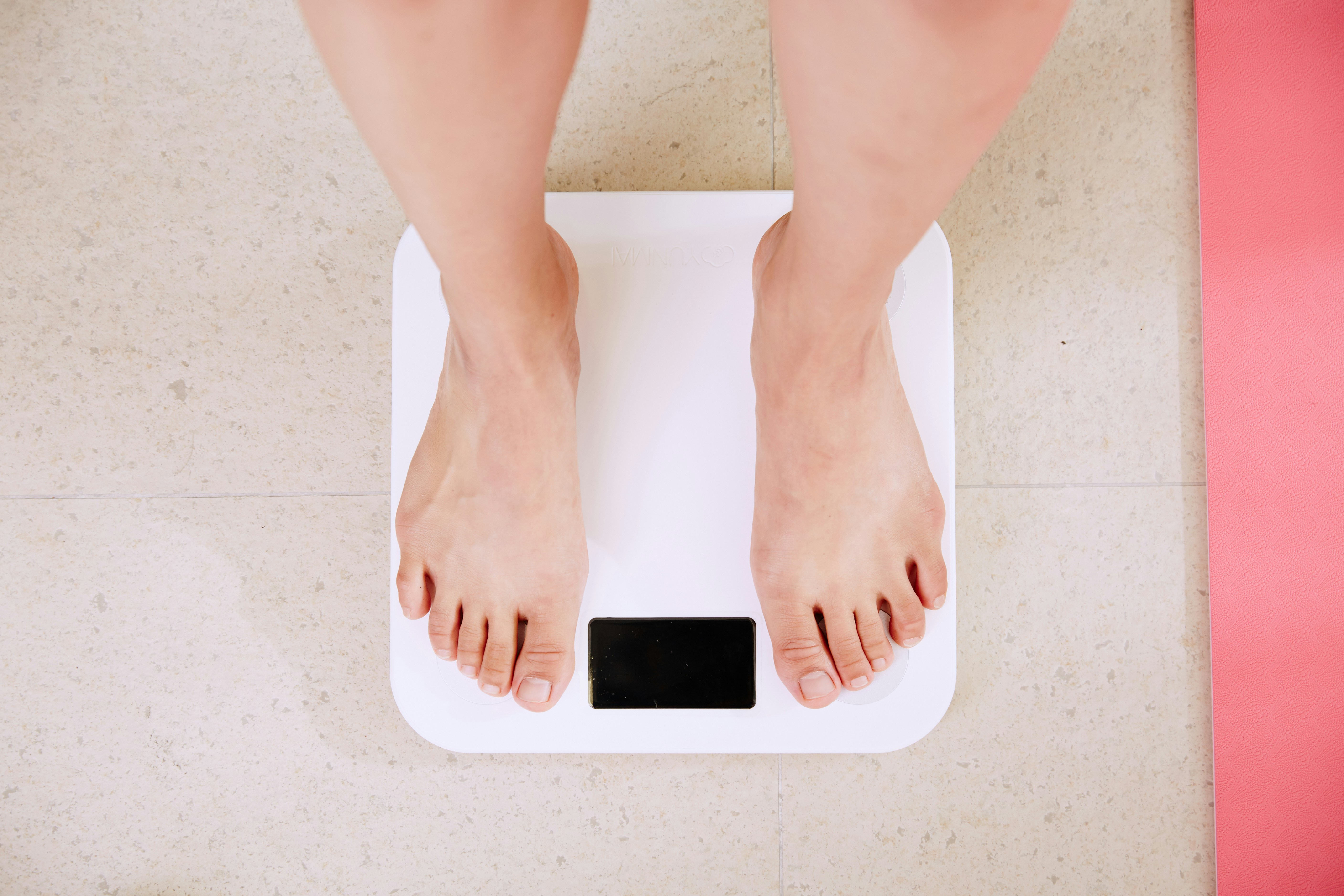
You've been consistent. Gym four times a week. Step count tracked. Calories logged. And the scale? Barely moved.
Here's the uncomfortable truth: weight loss isn't a math problem. It's a systems problem. Your body isn't a calculator. It's an ecosystem. And you've been optimizing only one part of it.
The Body: Build the Engine, Don't Just Run It
Most people chase the burn. More cardio. Longer sessions. Higher intensity. But here's what the research actually says: strength training changes your metabolism at rest.
Compound movements, such as squats, deadlifts, and rows, trigger something called EPOC. Your body keeps burning fat for up to 48 hours after the session ends while you're sleeping. While you're working. While you're doing nothing.
Muscle is expensive tissue. The more you have, the more your body burns just to exist. And then there's NEAT, the movement that happens outside the gym. Walking. Taking the stairs. Standing instead of sitting. Studies suggest NEAT contributes more to your daily energy burn than a structured 30-minute workout.
If you're sedentary for 23 hours, one gym session won't save you.

The Gut: Your Fat-Loss Middleman
Nobody talks about this enough. Exercise doesn't just burn calories, it changes your gut. Cardio increases short-chain fatty acids like butyrate in your gut lining. These compounds improve insulin sensitivity and reduce inflammation. Both are critical for accessing stored fat.
A healthy gut also means better digestion, less bloating, and steadier energy. A sluggish gut? Your brain reads that as an energy crisis. Cue the cravings. Cue the sugar. Cue the guilt spiral. Move consistently. Drink enough water. Let your gut do its job.

The Mind: The Variable Nobody Accounts For
You can have a perfect plan and still fail.
If your nervous system is stuck in chronic stress, your body holds onto fat. That's cortisol, the hormone your adrenal glands release under pressure. High cortisol means more abdominal fat. More cravings. Less willpower.
Yoga, walking, breathwork, these aren't soft options. They shift your nervous system from fight-or-flight into rest-and-digest. That's where fat loss actually happens.And when you find movement you genuinely enjoy? Your brain stops treating exercise as punishment. Dopamine kicks in. Consistency follows.
A mind that wants to move will always outperform a mind driven by guilt.
What Actually Works
Strength train at least twice a week. Compound movements. Multi-joint. Heavy enough to matter. Hit 10,000 steps. Every day. Non-negotiable.
After every workout, spend five minutes on box breathing. Tell your nervous system the stress is over.
Drink 500ml of water properly during training, with a pinch of sea salt. Hydration drives the chemical reactions that break down fat.
The Bottom Line
The best exercise for weight loss isn't the one that burns the most calories in an hour.It's the one that fixes your metabolism, supports your gut, and calms your mind consistently, over time.
Body. Gut. Mind.
When all three are working together, weight loss stops being a battle. It becomes a byproduct.
This article is for informational purposes only and does not substitute for professional medical or nutritional advice. Please consult a qualified healthcare professional before making changes to your diet or exercise routine.
Want a plan built around your body, your gut, and your mind? [Start your 1-on-1 coaching journey with HB+.]

Be the first to know about every new letter.
No spam, unsubscribe anytime.