
When most people think about PMOS (Polyendocrine Metabolic Ovarian Syndrome), they immediately think of irregular periods, acne, weight gain, or excess hair growth.
But PMOS is much more than a reproductive condition.
It is a complex metabolic and endocrine disorder that affects multiple systems across the body—including blood sugar regulation, inflammation, digestion, mood, energy levels, and hormonal health.
One area receiving increasing attention in research is the gut microbiome—the trillions of bacteria, fungi, and other microorganisms that live within your digestive system.

Far from simply helping digest food, your gut plays a central role in regulating metabolism, immunity, inflammation, and hormone balance. Emerging evidence suggests that disturbances in gut health may contribute to some of the key drivers of PMOS, including insulin resistance, chronic inflammation, and androgen excess.
While gut dysfunction is not the sole cause of PMOS, nurturing a healthier gut may be one of the most powerful ways to support long-term metabolic and hormonal well-being.
Why PMOS Is More Than an Ovarian Condition
For years, the condition was commonly referred to as PCOS (Polycystic Ovary Syndrome). However, researchers and clinicians increasingly recognize that the name doesn't fully capture the complexity of the condition.
Many women diagnosed with PCOS do not actually have ovarian cysts. At the same time, the condition extends far beyond the ovaries, influencing metabolism, hormones, inflammation, mental health, and overall quality of life.
The term Polyendocrine Metabolic Ovarian Syndrome (PMOS) better reflects this broader understanding—highlighting the interconnected nature of endocrine, metabolic, and reproductive health.
And one of the most important systems connecting all three? Your gut.
The Gut-Hormone Connection
Your digestive system is home to a vast ecosystem of microbes that constantly communicate with your immune system, metabolism, and hormonal pathways.
Research has shown that women with PMOS often have reduced microbial diversity and altered gut bacterial composition compared to women without the condition.
This imbalance—known as gut dysbiosis—has been associated with:
Increased systemic inflammation
Reduced insulin sensitivity
Metabolic dysfunction
Altered androgen regulation
Poorer overall hormonal balance
When beneficial bacteria decline and inflammatory microbes become more dominant, the body may experience low-grade chronic inflammation. Over time, this inflammatory environment can disrupt metabolic and hormonal processes, potentially worsening PMOS symptoms.
Simply put, a struggling gut can make hormonal balance harder to achieve.
The Insulin Resistance Link
One of the most common underlying drivers of PMOS is insulin resistance.
Insulin is the hormone responsible for helping glucose move from the bloodstream into cells. When cells become less responsive to insulin, the body compensates by producing more of it.
Higher insulin levels don't just affect blood sugar.
They can also stimulate the ovaries to produce more androgens (male hormones), which may contribute to:
Irregular menstrual cycles
Acne
Excess facial or body hair
Difficulty managing weight
Research suggests that gut dysbiosis may contribute to insulin resistance through several mechanisms:
Increased inflammatory signaling
Altered glucose metabolism
Reduced production of beneficial short-chain fatty acids
Changes in appetite and satiety regulation
Over time, this can create a cycle that looks something like this:
Gut Dysbiosis → Inflammation → Insulin Resistance → Hormonal Imbalance → Worsening PMOS Symptoms
Breaking this cycle often requires addressing more than hormones alone.
The Gut-Brain-Hormone Axis
Your gut and brain are in constant conversation.
Through what scientists call the gut-brain axis, gut microbes influence the production of neurotransmitters and signaling molecules involved in:
Mood
Stress resilience
Sleep quality
Appetite regulation
Energy levels
Women living with PMOS are significantly more likely to experience anxiety, depression, chronic stress, and low mood.
At the same time, ongoing stress can worsen insulin resistance, increase inflammation, disrupt sleep, and further affect hormonal balance.
This creates a powerful two-way relationship:
A stressed body can impact the gut, and an unhealthy gut can amplify stress.
Supporting gut health may therefore benefit not only digestion and metabolism, but also emotional well-being—an often overlooked aspect of PMOS management.

Supporting Gut Health: Small Changes, Big Impact
There is no single "gut-healing" solution for PMOS. However, daily habits can significantly influence the health of your microbiome and the metabolic environment it helps create.
1. Prioritise Fibre Diversity
Aim to include a wide variety of vegetables, fruits, legumes, nuts, seeds, and whole grains throughout the week.
Different microbes thrive on different fibres, and diversity is one of the strongest markers of a healthy microbiome.
2. Choose Blood-Sugar-Friendly Carbohydrates
Focus on complex carbohydrates such as:
Oats
Millets
Quinoa
Brown rice
Lentils
Beans
These foods support both gut health and steadier blood sugar regulation.
3. Build Meals Around Protein
Protein helps support satiety, muscle health, blood sugar stability, and overall metabolic function.
Pair protein with colourful, anti-inflammatory foods whenever possible.
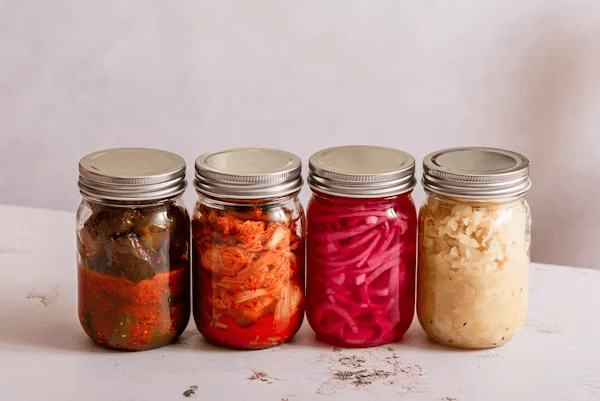
4. Include Fermented Foods
Foods such as:
Curd
Kefir
Kimchi
Sauerkraut
may help introduce beneficial microbes and support microbial diversity.
5. Reduce Ultra-Processed Foods
Highly processed foods, excessive added sugars, and refined carbohydrates can negatively influence both gut health and metabolic function.
Progress—not perfection—is the goal.
6. Move Consistently
Regular physical activity has been shown to positively impact both insulin sensitivity and gut microbiome composition.
The best exercise is the one you can do consistently.
7. Prioritize Sleep & Stress Management
Quality sleep and effective stress management are often overlooked pillars of hormonal health.
Practices such as:
Yoga
Meditation
Breathwork
Nature walks
Mindful movement
can support both gut function and hormone regulation.
The HB+ Perspective
At HB+, we believe PMOS cannot be addressed through symptom management alone.
Lasting change comes from understanding and supporting the systems that influence hormonal health—metabolism, inflammation, digestion, sleep, stress, movement, and nutrition.
Your gut sits at the centre of many of these systems.
While improving gut health is not a cure for PMOS, it can be a powerful step toward creating a healthier internal environment—one that supports better metabolic function, balanced hormones, improved digestion, and greater overall well-being.
Because when we support the foundations of health, hormones often follow.
The Bottom Line
PMOS is not just about periods or ovaries.
It is a whole-body condition influenced by metabolism, inflammation, lifestyle, and increasingly, the health of the gut microbiome.
By focusing on sustainable habits that nourish your gut—rather than chasing quick fixes—you can support the underlying systems that influence hormonal balance and long-term health.
The goal isn't perfection.
The goal is building a body that works with you, not against you.

Be the first to know about every new letter.
No spam, unsubscribe anytime.