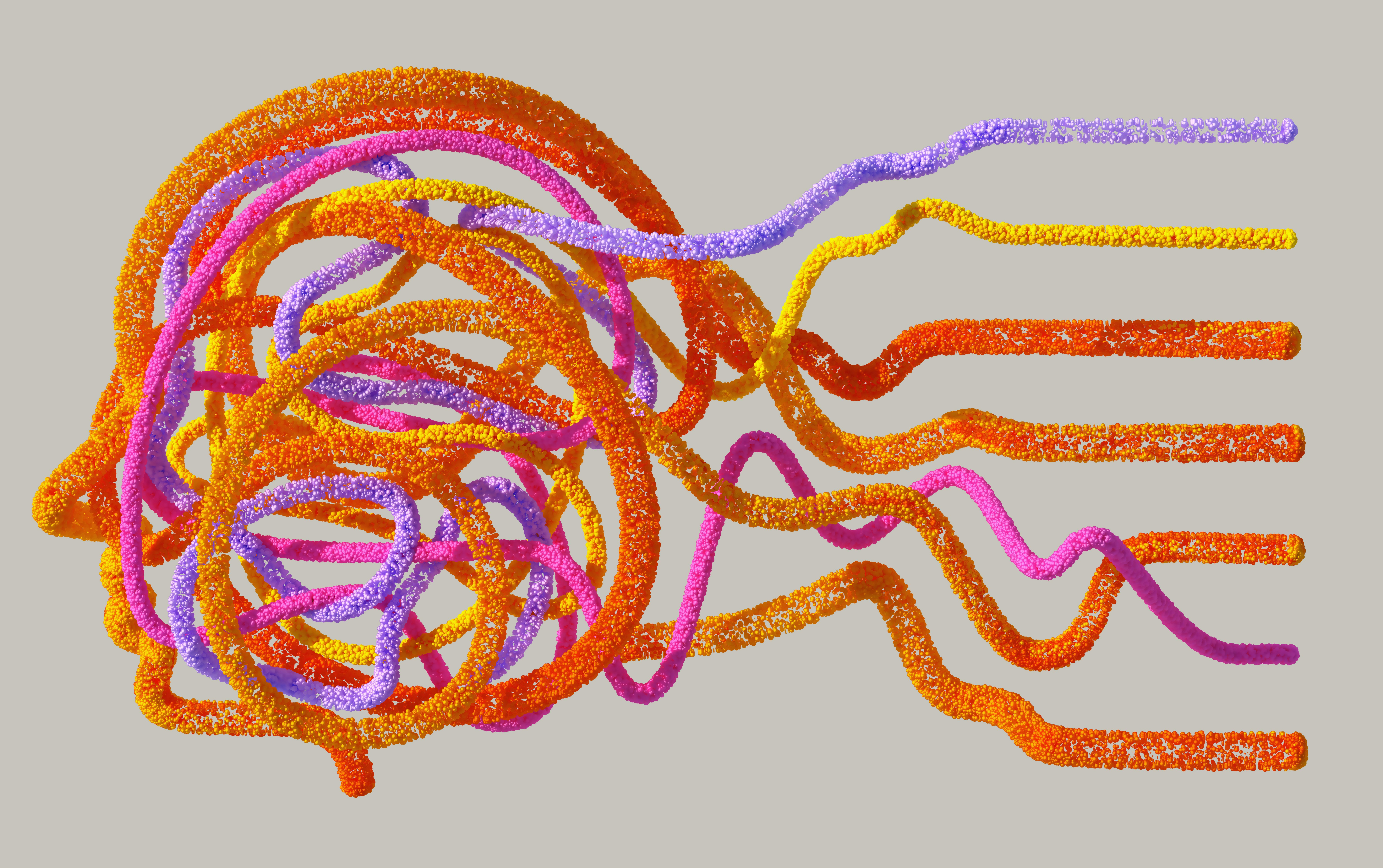
Your body is always listening.
Your heart races before a big meeting. Your shoulders creep up towards your ears by 4 pm. Your stomach knots up when something feels off.
None of this is random. It is your nervous system responding to what is happening around you and within you.
Deadlines. Family. Notifications that never stop. Somewhere along the way, feeling overwhelmed starts to feel normal.
It is not. And this is where nervous system regulation comes in.
The term is everywhere right now, and mostly misunderstood. It does not mean staying calm all the time. It does not mean getting rid of stress. And it definitely does not mean forcing yourself to think positive.
It means helping your body respond to stress appropriately, and come back to balance afterwards.
At HB+, we see wellbeing as one system, not three. Body, gut and mind constantly influence each other. So let’s look at all three.

1. Body: Know your two modes
Your autonomic nervous system quietly runs your heart rate, breathing, digestion and blood pressure. You don’t have to think about it. It has two main branches, and they work together.
Sympathetic: your action mode
This is the fight-or-flight response. Your heart rate rises, your breathing quickens, your muscles go on alert. Useful when you need to react fast, train hard or face a demanding moment.
The response itself is not the problem. The problem is when it fires constantly and recovery never arrives.
Picture it. You finish a heavy workday and go straight into household chores, family commitments and unfinished tasks. The pressure has passed. Your body hasn’t got the message.
Parasympathetic: your recovery mode
This is rest, digestion and repair. Breathing slows. Heart rate settles. Your digestive system can do its job comfortably.
These two don’t work like an on-off switch. Your body keeps adjusting based on your surroundings, your physical needs and your emotional state.
So the goal is not to stay relaxed. The goal is to respond to stress, and recover well.
How to practise it
Start small. One habit beats five overnight changes.
— Slow your breath. Breathe gently through your nose. Let your exhale run slightly longer than your inhale, as long as it feels comfortable.
— Move your body. Walking, stretching, yoga, strength training. Match the intensity to your energy and recovery.
— Break up long sitting. Every so often, stand up, stretch or take a short walk.
— Protect your sleep. Keep a reasonably consistent schedule and build a wind-down routine that gets you out of work mode.
None of these are instant fixes. They work through repetition, and by finding what suits your body.
2. Gut: Where stress shows up in digestion
Lost your appetite before a big day? Felt butterflies when nervous? Noticed bloating in a high-stress week?
That is your brain and gut talking.
They communicate through nerves, hormones, immune signals and other pathways. This is called the gut–brain connection, and it runs both ways. Your emotional state can affect digestion. And signals from your gut can affect how you feel.
What stress can do to your gut
Depending on the person, stress may contribute to:
— Changes in appetite or cravings
— Bloating or abdominal discomfort
— Changes in bowel habits
— Greater sensitivity to digestive symptoms
If you already have digestive issues, ongoing stress can make them more noticeable.
One important note. Not every symptom is stress. If digestive discomfort keeps coming back, get it assessed by a doctor. Don’t put it down to your nervous system by default.

How to support your gut
It is not only about what you eat. How you eat matters too.
— Eat mindfully. Sit down, slow down, cut distractions. Give yourself time to notice hunger and fullness.
— Eat balanced meals regularly. Protein, fibre-rich fruits and vegetables, whole grains and healthy fats, according to your needs. Increase fibre gradually if you’re not used to it.
— Stay hydrated. Enough fluids support normal digestion and help prevent constipation.
— Calm the mealtime. If you usually eat while answering emails, take a few slow breaths before the first bite.
To be honest about it: these habits won’t “reset” your nervous system, and they don’t guarantee better digestion. What they do is build a routine that supports your overall wellbeing.
And no single food, supplement or drink regulates everyone’s nervous system. Consistency across nutrition, sleep, movement and stress management beats any quick fix.
3. Mind: Notice before you react
Regulation is not only physical. It is also about recognising what you feel, and handling hard moments without being swept away.
Here’s a familiar one.
You get unexpected criticism at work. Your heart pounds. Your thoughts turn defensive. You want to respond right now. Even after the conversation ends, you keep replaying it.
That is normal. Your body may have read the moment as a threat, even though there was no physical danger.
Regulation doesn’t mean pretending you’re unaffected. It doesn’t mean suppressing anything. It means creating a little space, enough to notice what you feel and choose how you respond.
Learn your stress signals
Your body often tells you before your mind admits it. Watch for:
— Clenched teeth or tight shoulders
— Shallow or rapid breathing
— Irritability or trouble concentrating
— Restlessness, difficulty switching off
— Feeling unusually tired despite doing very little
How to practise it
— Name it. “I’m feeling tense.” Just saying it can create a small gap between feeling and reacting.
— Pause before you reply. One slow breath before answering that message or email.
— Check in once a day. Where is my body holding stress right now? Jaw, shoulders, stomach?
— Reach out when it’s too much. Talking to someone you trust, or a professional, is part of regulation, not a failure of it.
Regulation is a practice, not a perfect state
Nervous system regulation is not about being calm every minute. It is not about avoiding hard emotions or reaching permanent relaxation. Stress is part of being human, and your body is built to respond to challenges.
What matters is how you support yourself through them.
A short walk after a tough meeting. A few slow breaths before lunch. A proper night’s sleep. Recognising when you need help. Small actions like these become a healthier routine.
At HB+, we believe body, gut and mind influence one another. Caring for one should never mean neglecting the others.
Start small. Notice what your body is telling you. Find what works for you, and allow yourself to adjust when life changes.
Because wellbeing is not about never feeling stressed. It is about learning to care for yourself through the stress.
Ready to build routines that actually fit your life? Explore 1-on-1 coaching at hbplus.fit.
References and Further Reading
National Center for Complementary and Integrative Health (NCCIH). 5 Things To Know About Relaxation Techniques for Stress. An overview of relaxation techniques and their potential benefits.
NCCIH. Mind and Body Approaches for Stress and Anxiety: What the Science Says. Reviews evidence on relaxation techniques, yoga and mindfulness.
National Institute of Diabetes and Digestive and Kidney Diseases (NIDDK). Your Digestive System & How It Works. Explains how nerves and hormones help regulate digestion and communication between the gut and brain.
Foster, J. A., Rinaman, L., & Cryan, J. F. (2017). Stress & the gut-brain axis: Regulation by the microbiome. Neurobiology of Stress, 7, 124–136.

Be the first to know about every new letter.
No spam, unsubscribe anytime.