The belief that weight training stunts growth has been repeated for decades, often without question. This blog explores where that fear originated, tracing it back to isolated injury reports from the 1970s and 80s—most of which involved poor supervision, unsafe equipment, and accidents, not structured resistance training. By explaining how growth plates actually function, the article clarifies why they are not inherently damaged by properly managed strength training. It highlights what modern research shows: supervised, age-appropriate resistance training does not reduce height or interrupt natural growth. Instead, it supports stronger bones, better coordination, reduced injury risk, and improved confidence. The blog also addresses when training can become unsafe—not because of weights themselves, but due to ego lifting, poor technique, lack of qualified coaching, or early competitive pressure.
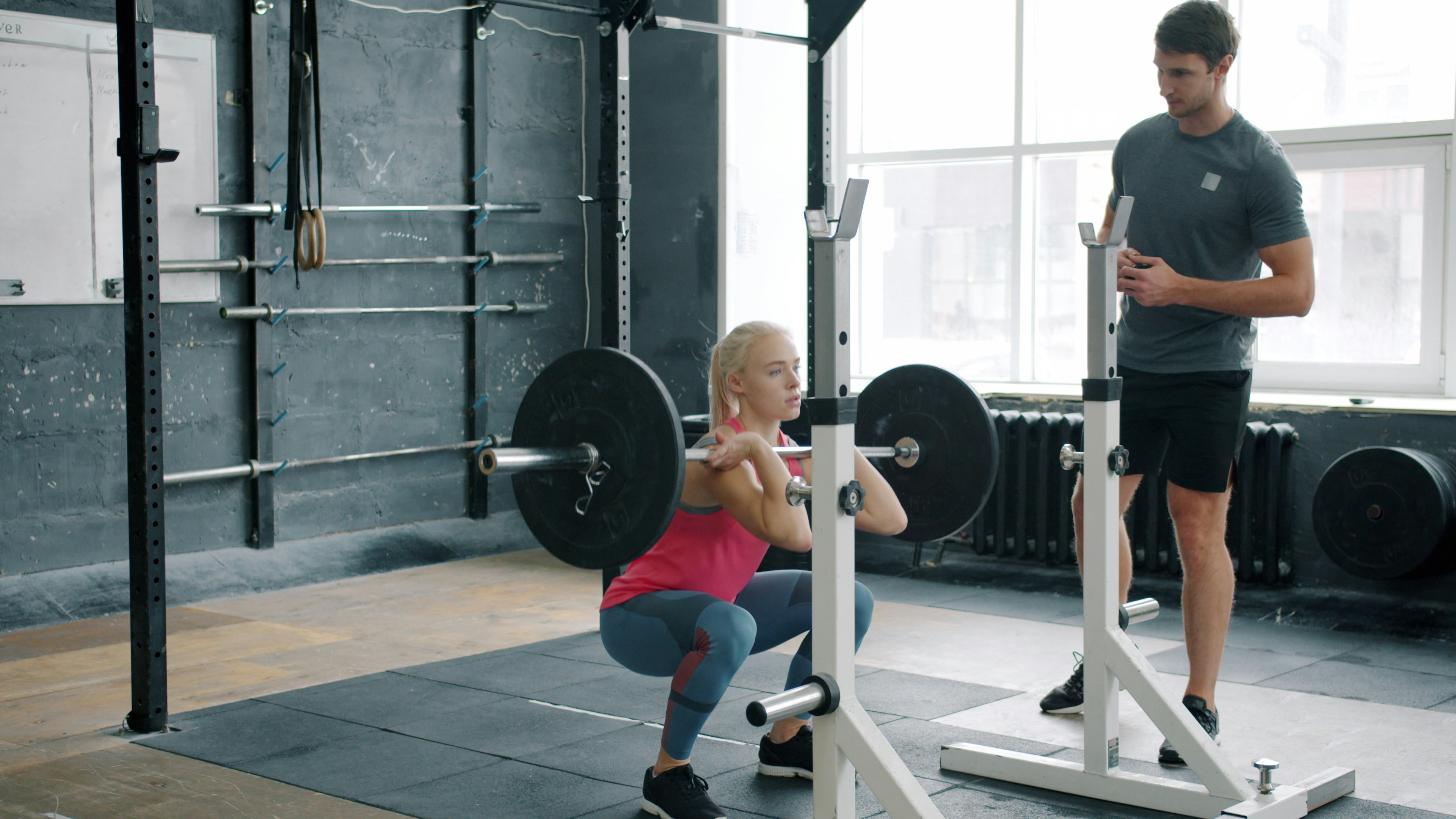
Why This Fear Survived and What Your Body Actually Needs When It’s Growing
One question comes up more often than almost any other when parents walk into the room with their children:
“Weight training is fine later… but it’s not safe right now, right?”
It’s usually asked softly. With concern. With good intentions.
The fear behind it is the familiar idea that lifting weights during childhood or adolescence can damage growth plates and permanently stunt height. It’s a belief passed down so often that it feels less like an opinion and more like science. However, when we step back and delve into decades of research that examine how the human body grows, we know that the story is far more nuanced. And far less frightening.
Where Did This Fear Originate From: The Chinese Whisper
The idea that weight training stunts growth didn’t come from large-scale scientific trials or long-term population studies. It came from isolated injury reports in the 1970s and 1980s.
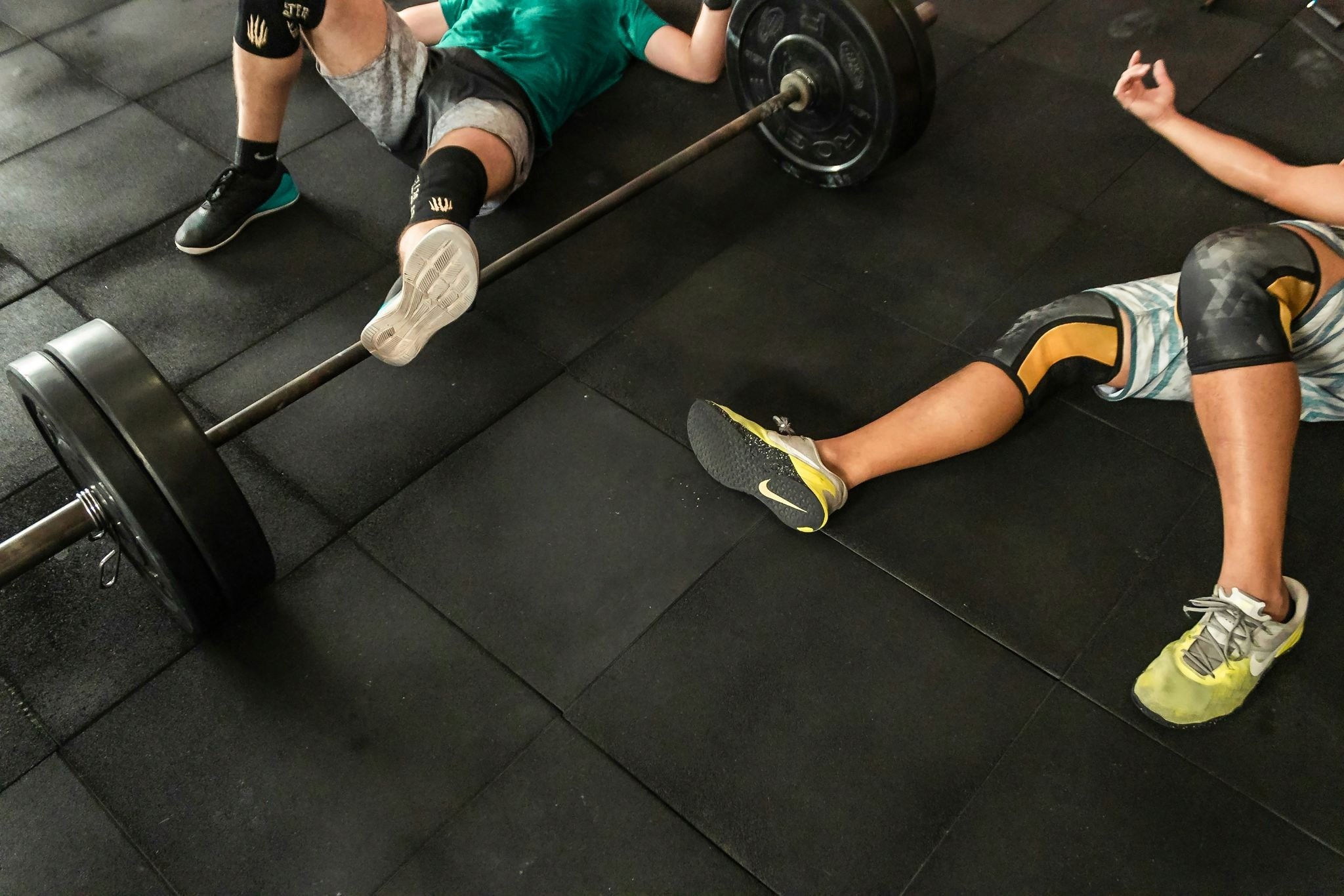
At the time, youth resistance training was largely unstructured. Children lifted without supervision. Equipment was often makeshift. The technique wasn’t taught; it was all improvised. And loads were chosen based on ego, not readiness.
Some injuries involved the epiphyseal plate, commonly known as the growth plate, the area of cartilage at the ends of long bones - where height increases during the growth stage of an individual (childhood and adolescence)One often-cited case involved a child attempting a heavy overhead press in a home gym. The bar slipped. The wrist took the force and the growth plate was injured. These kind of stories eventually hardened into a warning, and the warning soon started to seem like a rule: Weight training is dangerous for growing bodies. However, a crucial detail was overlooked along the way. The injury wasn’t caused by resistance training as a biological process. It was caused by loss of control, lack of supervision, and unsafe conditions. In other words, an unfortunate accident.
What Actually Happens When Children Train
When children and adolescents participate in properly supervised resistance training, something interesting happens.
They don’t suddenly become bulky. They don’t compress their bones. They don’t “use up” their growth potential. Instead, their nervous system learns.
Strength gains in young people come primarily from neuromuscular adaptation — improved coordination between the brain, muscles, and joints. Movements become smoother. Posture improves. Stability increases.
Bones respond too. Mechanical loading — when applied progressively and correctly — signals bones to become denser and stronger. This is one of the reasons resistance training is now recognized as a protective factor against injuries later in life.
Rather than harming growth, appropriate strength training often supports it — by improving
movement quality, reducing injury risk, and building confidence in the body.
When Training Becomes a Problem
There are cases where things do go wrong tend to follow a familiar pattern.
They involve:
Maximal or near-maximal lifting
Poor or rushed technique
No qualified supervision
Early competitive pressure
In those situations, risk increases not because the child is lifting weights, but because the system around them has failed.
This is not unique to strength training.
The same risk exists when a child is pushed too hard in gymnastics, contact sports, or endurance training without adequate recovery or instruction.
The issue is not movement. The issue is mismanagement.
Why Avoiding Strength Training Isn’t the Answer
Ironically, avoiding resistance training altogether can leave children more vulnerable.
Without strength, coordination, and body awareness, young people are often less prepared for the physical demands of sports, daily life, and even sudden accidents.
A body that has never learned how to brace, stabilize, and control force is not protected it’s underprepared.
At HB+, we see strength training not as an extreme intervention, but as education for the body. Learning how to move well. How to load safely. How to respect limits while still building capacity.
This is not about lifting heavier. It’s about lifting smarter.
So, what’s our two cents on it? Stop believing in shortcuts or in ego-driven training. And don’t let fear dictate how bodies grow.
Strength training, when introduced with patience, proper coaching, and respect for development, is not a threat to growth; it’s a foundation for resilience.
Growth is not something the body loses by moving. It’s something the body learns through it. And when movement is guided with discipline, awareness, and care, the body doesn’t shrink from the challenge. It grows into it.

Be the first to know about every new letter.
No spam, unsubscribe anytime.