
Why 6:00 PM Hits Hard
By the time Sunday evening arrives, something subtle shifts in your mind. The ease of the weekend starts to fade, and your brain quietly moves from rest mode into anticipation mode. Thoughts you managed to ignore all day suddenly resurface. Your to-do list reappears, your inbox feels heavier than it should, and moments from the previous week replay themselves things you wish you had handled differently.
At the same time, your attention drifts forward. Deadlines, meetings, and unfinished conversations from the upcoming week begin to stack up mentally. Nothing has actually happened yet, but your body responds as if it has. That’s why 6:00 PM doesn’t just feel like another hour on the clock it feels like a threshold.
The Mental Health Layer We Don’t Talk About Enough
The Sunday Scaries are often brushed off as a bad mood or a case of overthinking, but they run deeper than that. In many cases, they are signals from a nervous system that hasn’t fully recovered from the week before.
Long work hours and unrealistic expectations can leave a lingering sense of burnout that a single weekend can’t undo. For some, anxiety is tied to anticipation—certain meetings, managers, or performance pressure create stress before the week even begins. Others experience mental overload, the result of days filled with constant tasks, notifications, and decisions without any real downtime.

There’s also a quieter form of exhaustion at play. It’s not dramatic, but it’s persistent—a low-grade tiredness that never quite resets. By Sunday evening, all of this surfaces at once, making the anxiety feel sudden when it has actually been building all along.
The 15-Minute Reset That Actually Works
You don’t need to overhaul your routine or retreat into a full productivity system to feel better. Sometimes, what your mind and body need is something far simpler. A short, intentional 15-minute reset can be enough to calm your nervous system and make Sunday evening feel manageable again.
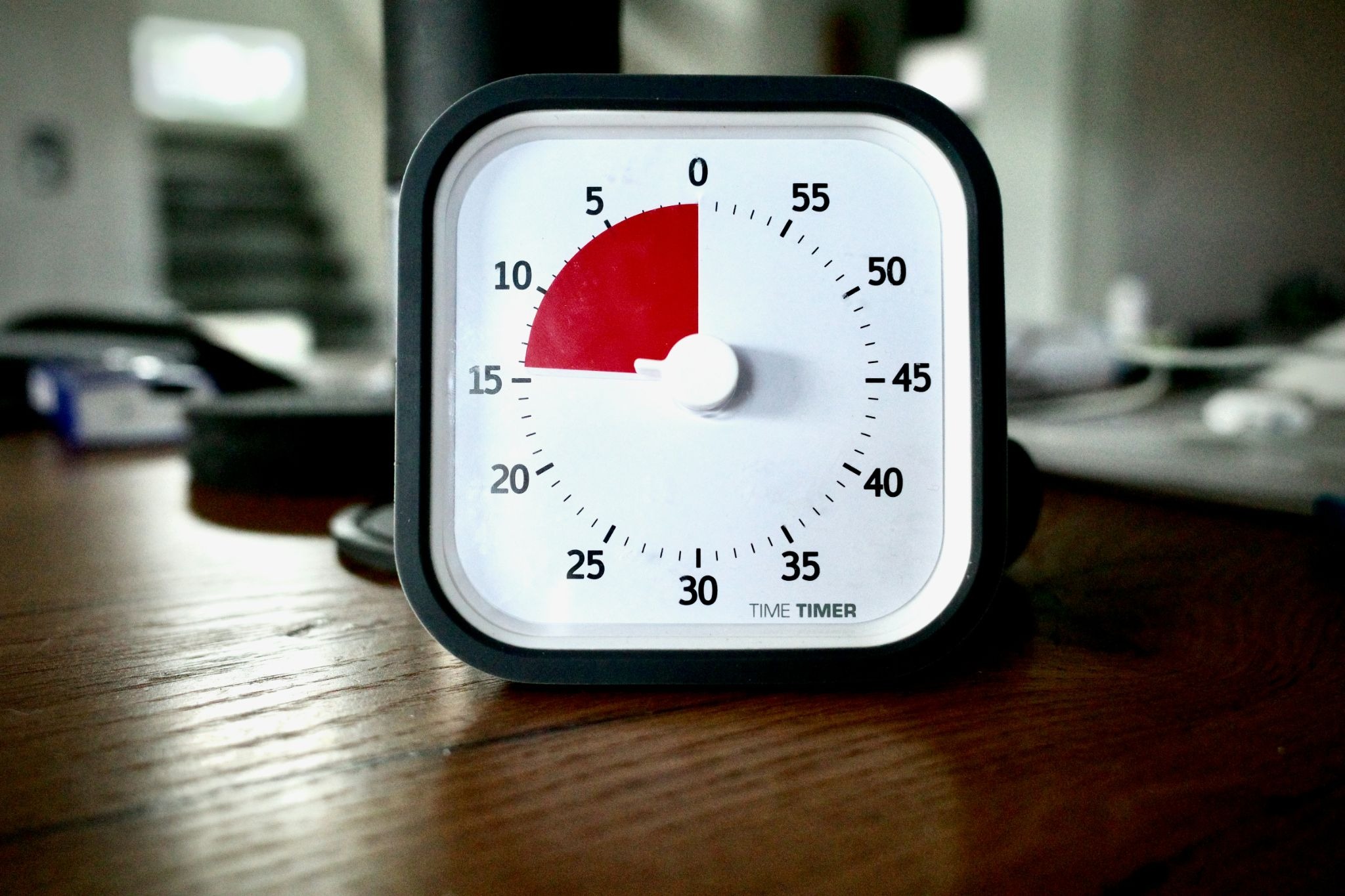
This reset isn’t about fixing your job or eliminating stress entirely. It’s about creating just enough structure and safety for your brain to stand down.
A Five-Minute Mind Dump
Start by getting everything out of your head. Take a notebook or your phone and write down every task, meeting, or worry that’s been circling in your thoughts. Don’t organize it. Don’t prioritize it. Just unload it.
When thoughts stay trapped in your mind, your brain keeps looping them as a way to protect you. Writing them down tells your brain it doesn’t need to hold onto everything at once.
A Three-Minute Body Reset
Next, bring your attention back into your body. Gentle movement—shoulder rolls, a slow stretch, or a few deep breaths—can make a real difference. These small physical signals tell your nervous system that you’re not in immediate danger.
Even a few minutes of physical release can interrupt the stress response and create a sense of grounding.

A Four-Minute Micro-Plan
Now, look at Monday—but only briefly. Choose just three things that truly need to get done. Not everything. Just three.
This small act of planning shrinks Monday from an overwhelming mental load into something concrete and contained. What felt like a looming wall becomes a few clear steps.
A Three-Minute Feel-Good Ritual
End with something that feels comforting or familiar. It might be a cup of tea, a warm shower, a favorite playlist, or a simple skincare routine. The activity itself doesn’t matter as much as the message it sends.
It reminds your mind that the day isn’t over yet—and that you still have agency over how it ends.
When Sunday Becomes Lighter
The Sunday Scaries don’t vanish instantly. But when awareness is paired with small, repeatable rituals, your nervous system begins to learn a new pattern. Over time, Sunday evenings stop feeling like a sudden drop and start feeling more stable.
The goal isn’t to make Sundays productive or to prepare obsessively for Monday. The goal is gentleness—so the transition into the week feels less like a cliff and more like a slope.
If You Take One Thing Away
Your Sunday anxiety isn’t a flaw. It isn’t weakness or unnecessary overthinking. It’s your mind and body asking for structure, rest, and permission to slow down.
A 15-minute reset won’t erase work stress forever. But it can give you back your Sunday evenings quietly, gradually, one breath at a time.

Be the first to know about every new letter.
No spam, unsubscribe anytime.