
You've been told strength training is for people who want to "get big." For gym bros. For competitive athletes.
That's the biggest lie in fitness.
Strength training isn't about how you look. It's about how you move at 60. How you recover from a bad week. How your gut handles stress. It's one of the only habits that touches every system in your body at once.
At HB+, we build everything around one idea: Body, Gut, Mind one system, not three. And strength training might be the single habit that moves all three at the same time.
The WHO doesn't recommend strength training twice a week because it's trendy. They recommend it because the research is overwhelming. Whether you're starting with bodyweight squats or your first pair of dumbbells, you're not just building muscle. You're building your future.

Your Body Is Quietly Losing Ground — Here's How to Stop It
Here's what nobody tells you in your 20s: from your 30s onward, you start losing muscle mass. Not dramatically. Quietly. Until one day, stairs feel harder. Groceries feel heavier. Balance feels less certain.
Strength training reverses that clock. It:
Builds and preserves muscle
Improves bone density
Stabilizes your joints
Sharpens balance and coordination
Makes everyday movement effortless again
This isn't about vanity. This is about staying independent for decades.
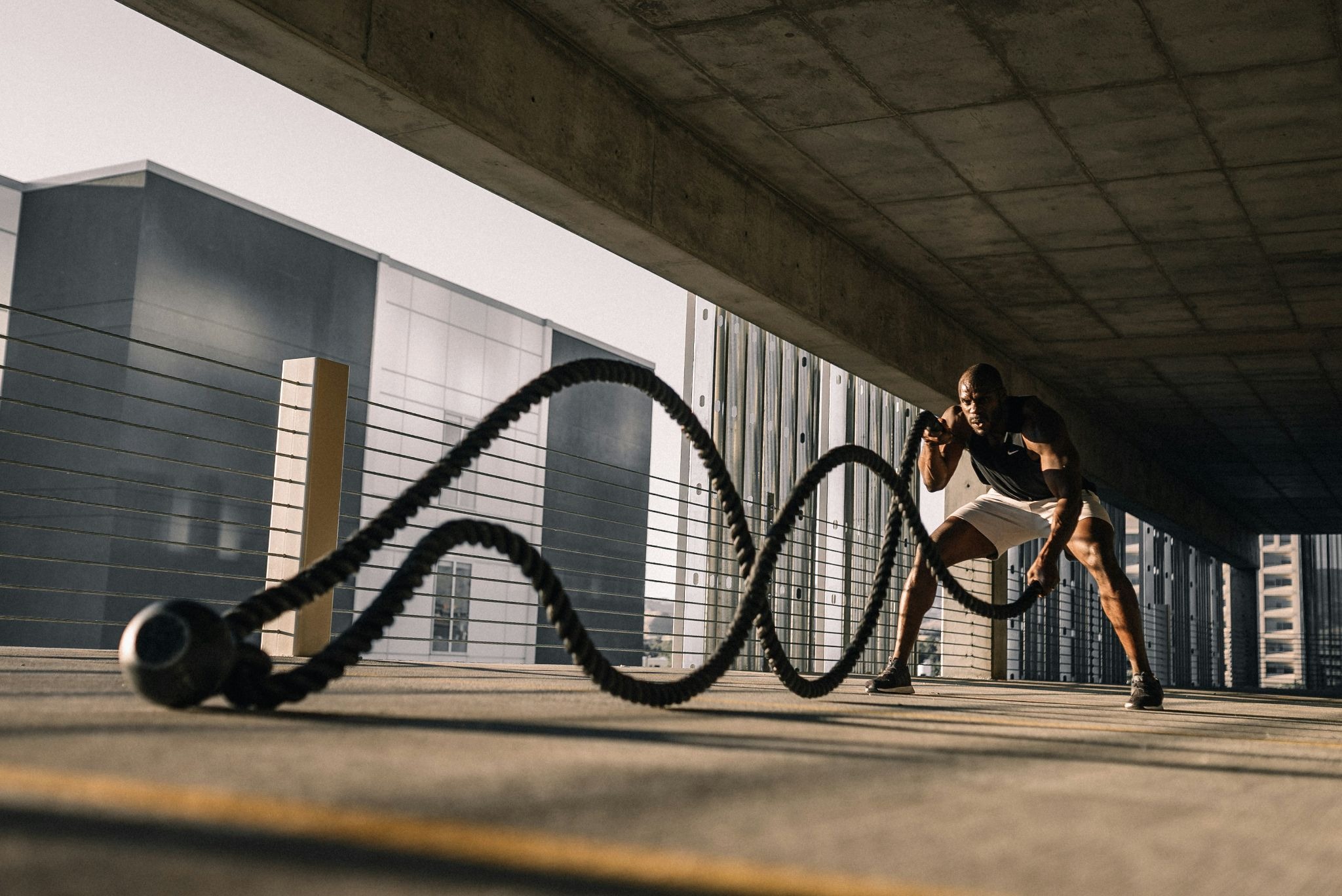
A study in the American Journal of Preventive Medicine found something striking: regular resistance training is linked to a lower risk of dying from any cause — including cardiovascular disease and certain cancers. Let that sink in. Lifting weights isn't a fitness choice. It's a longevity strategy.
The Proof: LIFTMOR Trial
Researchers followed 101 postmenopausal women with low bone density for eight months. The women doing supervised high-intensity resistance training twice a week saw major improvements — bone density, muscle strength, posture, functional performance. All that, with very few adverse events. The takeaway? Strength training isn't risky. Being sedentary is.
Your Mind Gets Stronger Too — And Not in the Way You'd Expect
Every rep does something you can't see on a scale.
Think about your first push-up. Your first squat. The moment you lifted something you thought you couldn't.
That moment rewires how you see yourself.
A 2018 meta-analysis in JAMA Psychiatry reviewed 33 randomized controlled trials with nearly 1,900 participants. The finding: resistance training significantly reduced depressive symptoms — across age groups, across health conditions. Confidence went up. Self-esteem went up. This isn't a replacement for professional mental health care. But it's a powerful ally alongside it.
Nobody Talks About This: Lifting Weights Changes Your Gut
When people talk gut health, they talk food. Probiotics. Fiber. Fermented everything.
They rarely talk about movement.
But research from Mailing et al. (2019) found that physically active people have a more diverse gut microbiome than sedentary people. More diversity means better digestion, stronger immunity, lower inflammation, better metabolic health.
Pair strength training with a fiber- and protein-rich diet, and you're not just building muscle — you're building a gut environment that works for you instead of against you.
Your habits were never meant to work in isolation. They were meant to work together.
How to Actually Start
Forget complicated. Start here.
Train 2–3 times a week. Full-body movements. Master the technique before you chase the weight. Progress slowly. Show up consistently.
A simple beginner routine:
Bodyweight Squats — 2 × 10–12
Incline Push-ups — 2 × 8–10
Dumbbell Rows — 2 × 10 each side
Glute Bridges — 2 × 12
Plank — 20–30 seconds
Warm up before. Cool down after. Every time.
The Mistakes That Quietly Kill Progress
Most beginners don't fail because they're weak. They fail because they do too much, too fast.
Avoid this:
Lifting heavier than you're ready for
Skipping the warm-up
Ignoring recovery
Comparing your week 1 to someone else's year 3
Expecting overnight transformation
Consistency beats perfection. Every single time.
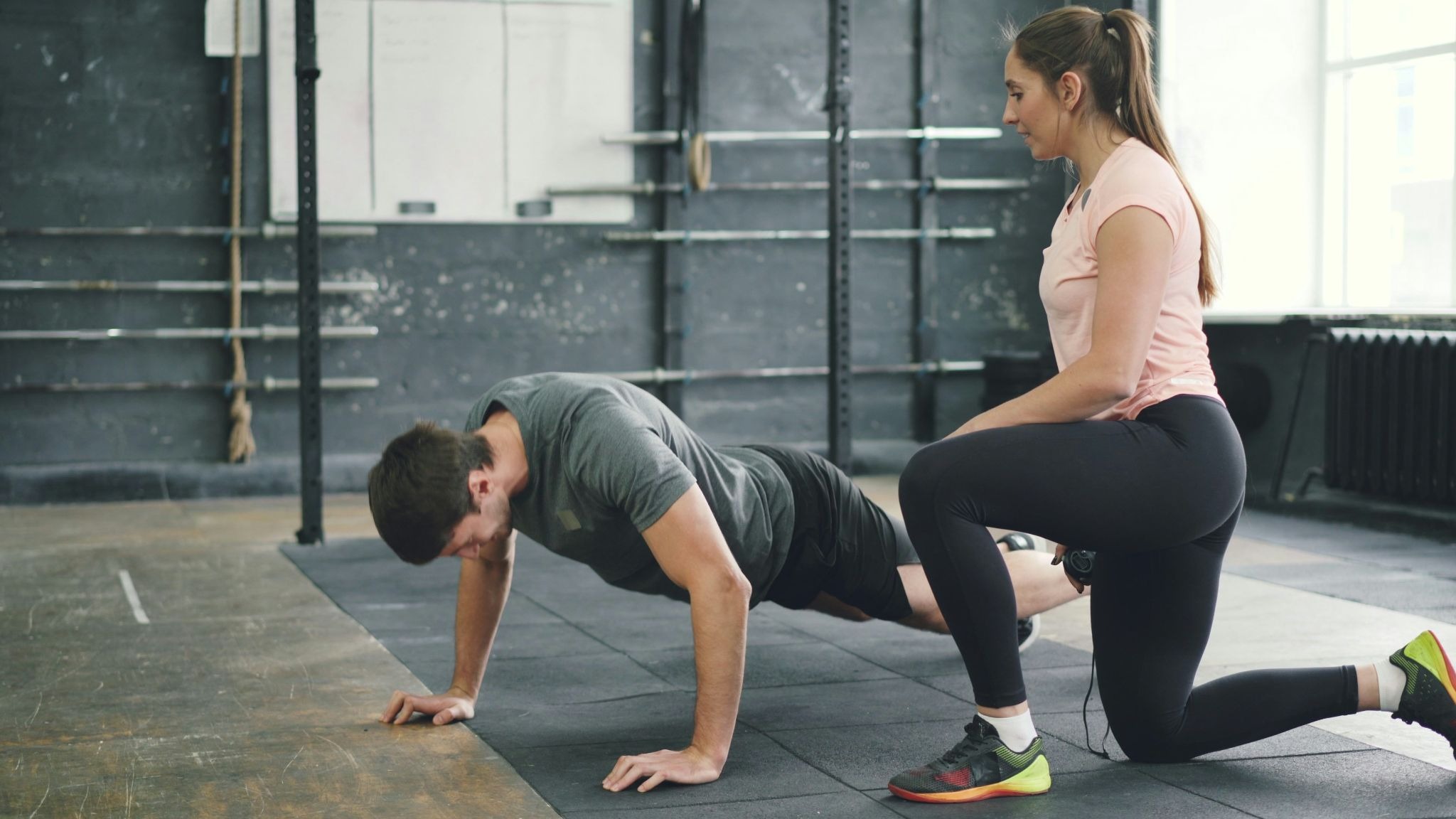
You Don't Get Stronger in the Gym. You Get Stronger After.
Here's the part most people skip: your body doesn't adapt during the workout. It adapts during recovery. Muscle fibers repair and rebuild while you rest — not while you lift.
That means 7–9 hours of sleep, real nutrition, hydration, and rest days aren't optional extras. They're the actual mechanism behind your results.
The Proof: STRRIDE AT/RT Trial
Researchers studied overweight, sedentary adults and compared exercise approaches. The group combining resistance training with aerobic exercise saw bigger improvements in body composition, waist circumference, and overall fitness than the cardio-only group. Strength training isn't separate from cardiovascular health. It's part of it.
What This Really Comes Down To
Strength training is for everyone. No age requirement. No experience requirement.
It works on your Body, Gut, and Mind at once — not one at a time.
Consistency wins over intensity, always.
Sleep, nutrition, and recovery aren't bonus points. They're the program.
Every small session adds up to a different future.
You Don't Need to Be Ready. You Need to Begin.
At HB+, we don't measure strength by what's on the barbell. We measure it by how well you move, how resilient your mind has become, and how consistently you show up for yourself.
You don't need the perfect plan. You don't need to feel ready.
You need one decision: start today.
Ready to build real strength — the kind that shows up in your body, your gut, and your mind? Start your journey at us

Be the first to know about every new letter.
No spam, unsubscribe anytime.