
Prawns: The New Superfood

If you are someone like me, who thinks of Prawns as a “treat meal” or something to eat on that occasional restaurant outing, there is good news for you. Prawns are slowly getting the global recognition of being a superfood.
And why shouldn’t they? Prawns are packed with high quality protein, Omega 3 fatty acids, essential micronutrients and antioxidants, and they are low in calories. What more do you need?
Before we dive deeper into Prawns and their superfood badge, let us clear a few basics.
What Are Crustaceans?
Prawns and shrimps belong to a large family of aquatic animals called crustaceans, a group that also includes lobsters, krill, crabs etc. Crustaceans typically share some features - they have hard external shells (exoskeleton), segmented bodies etc. Crustaceans are a staple in many coastal diets around the globe since they are known to be nutrient-dense and protein-rich.
Prawns vs. Shrimps: Are They the Same?
Not exactly, but nutritionally they are similar.
What's the same?
Taste - they taste very similar.
Nutrition - Similar protein, fat and micronutrient profile. Therefore, if prawns aren’t available, shrimps are a good alternative.
Culinary uses - They can be used interchangeably in recipes.
What’s different?
Prawns and shrimps don’t look alike so that is the most basic difference. They can have similar nutritional properties but a lot can differ depending on water sources, species, and whether they are wild or cultured shrimps/ prawns.
Why Are Prawns Considered a Superfood?
High in Lean Protein:
Prawns are a rich source of high-quality protein[1]. 100 gm of cooked prawn can have protein anywhere between 20-27 gm. High quality protein supports muscle growth, tissue repair, recovery and immune function. The protein we get from prawns is highly bioavailable, meaning the body uses it efficiently.
Additionally, prawns contain all the essential amino acids, making them a complete protein source.
Low in Calories, High in Satiety:
Prawns are low in calories. Anywhere between 90-120 kcal per 100 gm[2].
Rich in Omega 3 fatty acids:
Even though prawns are low-fat, the fat they do have is the healthy kind: EPA and DHA[3] (Omega 3). Omega 3 fatty acids play a vital role in brain health, heart health, mood, skin, joint health, vision, hormonal balance and inflammation to name a few[4]. This explains how important they are for normal functioning of our body. DHA promotes brain and nerve protection, EPA on the other hand aids in preventing oxidative damage[5].
How much should you eat to meet your omega-3 needs?
Adults typically require 250–500 mg of omega-3 fatty acids daily, while your personal need may be higher based on your nutritional and health requirements. To obtain around 500 mg of omega-3, you’d need around 130 g of prawns[6]. Prawns can make a significant contribution to your daily diet of omega-3 fatty acids, even if they don't supply as much as oily fish.
Micronutrient dense:
Prawns are naturally rich in important nutrients such as Selenium, Phosphorus, Vitamin B12 and Vitamin E[7]. Prawns are also a decent source of Iodine, Zinc, Vitamin B9, Vitamin B6, Heme-iron, Sodium, Copper and Calcium. These nutrients are necessary to help with immunity, thyroid health, healthy RBC formation, oxidative stress, hormonal balance, bone and nerve health and energy metabolism to name a few.
Do remember that a healthy gut absorbs these nutrients efficiently, if your gut health is compromised, even the best foods won’t deliver their full benefits.
Mercury in Prawns: Should you worry?
You might have heard about how sea foods are high in Mercury and yes, that is something that we should be extra cautious about. So, what about prawns? Interestingly, Prawns are a pleasant exception. Prawns are generally low in Mercury. Even with regular consumption of Prawns, the Mercury exposure is low[8].
That is not the best part. As mentioned above, Prawns are naturally rich in Selenium. Selenium has a tendency of binding to mercury to reduce its toxicity[9] and it also has an antioxidant effect which protects your cells from damage. Therefore, the presence of selenium at higher levels may offer a protective buffer against mercury-related toxicity (if any).
This binding process may reduce the selenium available for your body to use by some percentage but the reduction is minimal compared to the benefits you get. Selenium not only protects against mercury and is a powerful antioxidant, but it also supports thyroid health and immune health.
Prawns and Cholesterol: What is the story there?
Prawns do contain some dietary cholesterol, somewhere between 140-170 mg per 100 gm[10] but that is not the whole story. For most people, it is not something to worry about since there is no direct correlation between blood cholesterol levels and intake of dietary cholesterol[11].
Additionally, prawns are naturally low in saturated fat, which is the main reason behind LDL cholesterol swings. As mentioned above, Prawns are rich in Omega 3 fatty acids that support heart health and may offer an increase in HDL levels. For most people who are consuming Prawns in moderation, cholesterol is not something to worry about.
But, those with very high LDL levels, severe dyslipidemia or specific medical advice/ conditions should monitor intake.
Additionally, how you cook the food has a big impact on its nutritional properties. Steaming or cooking on low heat is a better option than frying, to keep it heart friendly.
What to Keep in Mind When Eating Prawns?
Shellfish allergy risk - common allergy, so be cautious if trying for the first time.
Avoid overcooking - destroys nutrients and makes prawns rubbery.
Check sodium - frozen or pre-processed prawns often have added salt.
Quality matters - poorly farmed prawns may contain microplastics, antibiotics and heavy metals.
Don’t eat raw - raw/undercooked prawns can carry parasites and bacteria.
Species Differences and Why Cooking Method Matters Even More
While prawns (or shrimps) are nutrient-dense superfoods, as discussed above, it’s good to know that different species naturally vary in their nutrient levels. Factors like whether they’re wild or farmed, freshwater or marine, and what they eat can slightly change their levels of:
Omega-3 fatty acids
Protein content
Vitamins and minerals
For example, most of the iodine in prawns is stored in the exoskeleton, which we don’t usually eat, so at first glance, prawns may seem like a poor source of iodine. But when prawns are boiled with the shell intact, iodine migrates from the shell into the meat during cooking, making prawns a more significant source of iodine.
Similarly, black tiger shrimp may have higher PUFA content than giant freshwater prawns.
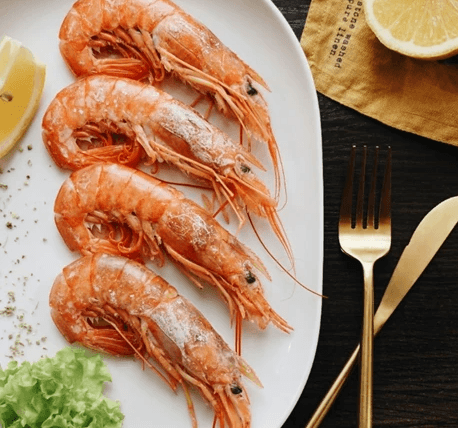
Practical Tips
Use prawns as a lean protein option in lunches or post-workout meals.
Pair with fibre-rich veggies and spices like ginger or garlic to support digestion.
Keep cooking simple to preserve nutrients and while cooking, cover them with a lid to lock in moisture and nutrients like B12.
Add lemon juice to your prawns or pair with Vitamin C rich foods to enhance iron absorption.
How much prawns should you have?
A serving of 75-120 gm (1 cup cooked) twice or thrice a week is a reasonable amount that provides you with important micronutrients, Omega 3s and high-quality protein without being overly caloric. Always balance your meals with vegetables, fibre and healthy fats.
Conclusion
Prawns are a nutrient-packed, versatile superfood that support your body, gut, and mind. Choose good-quality sources, cook them gently, and enjoy their benefits as part of a balanced lifestyle.
If you’re looking to upgrade your nutrition habits or explore balanced meal plans, book a trial with HB+ and begin your holistic wellness journey.
[1] Islam et al., “Comparative Analysis of the Proximate Composition of Wild and Cultured Prawn and Shrimp.”
[2] “Shrimp, Grilled - Nutrients - Survey (FNDDS) | USDA FoodData Central.”
[3] Banu et al., “Evaluation of Nutritional Status of Penaeid Prawns.”
[4] Chandana and Maurya, “Nutritional Influences on Hormonal Homeostasis.”
[5] Saini et al., “Omega−3 Polyunsaturated Fatty Acids (PUFAs).”
[6] Soltan and Gibson, “Levels of Omega-3 Fatty Acids in Australian Seafood.”
[7] Shrimp, Grilled, Supra Note 2.
[8] Costa et al., “Mercury in Raw and Cooked Shrimp and Mussels and Dietary Brazilian Exposure.”
[9] da Conceição Nascimento Pinheiro et al., “Mercury and Selenium – A Review on Aspects Related to the Health of Human Populations in the Amazon.”
[10] Shrimp, Grilled, Supra Note 2.
[11] Fernandez and Murillo, “Is There a Correlation between Dietary and Blood Cholesterol?”

Be the first to know about every new letter.
No spam, unsubscribe anytime.